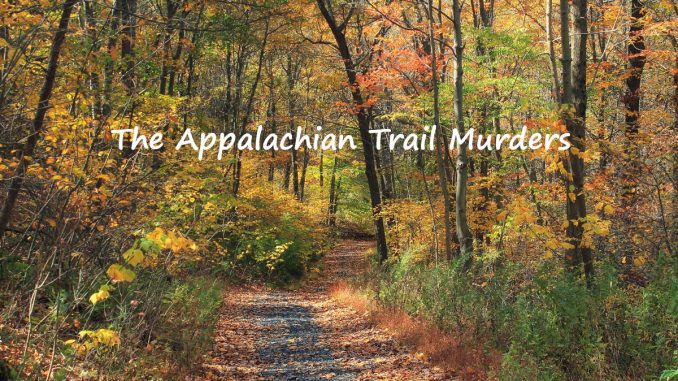
A well-loved footpath can carry dark stories. We open with a clear look at what the Appalachian Trail really is—2,192 rugged miles across 14 states, tended by trail clubs, the National Park Service, the U.S. Forest Service, and the Appalachian Trail Conservancy—and why, despite millions of annual visitors and a strong safety record, rare violence on remote miles still rattles the hiking community.
From there we move case by case. Janice Balza’s 1975 killing near Iron Mountain exposes the vulnerability of solo hikers at shelters and the unnerving randomness of a chance encounter. The 1990 murders of thru-hikers Jeffrey Hood and Molly LaRue at the Thelma Marks Shelter reveal how a suspicious outsider, later identified as Paul David Crews, used proximity and darkness to devastating effect—and how hikers’ observations helped lead to an arrest. Fast forward to 2019: Army veteran Ronnie Sanchez Jr., who used the trail to manage PTSD, was fatally attacked after a volatile drifter escalated threats into violence, reminding us that even with cell phones, help can be hours away. We close with the unsolved 2001 homicide of psychologist and seasoned hiker Louise Chaput near Mount Washington, a case that still hangs over New England hiking lore and underscores the limits of backcountry investigations.
Throughout, we keep perspective. Statistically, the Appalachian Trail is far safer than any major city, with most incidents tied to weather, exposure, accidents, or minor crime. Yet preparedness matters: trust your gut around strangers, avoid camping near roads, keep a charged light and whistle within reach, know exit points, and share route plans with someone you trust. These stories honor the victims while offering practical takeaways for anyone stepping into the woods.
If this conversation challenged your assumptions or sharpened your trail sense, follow the show, leave a review, and share it with a hiking partner. Your support helps more people find smart, grounded true crime storytelling.

Be the first to comment