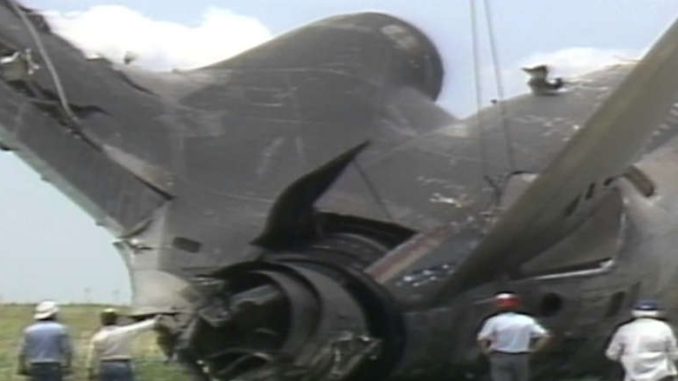
A dead friend steps out of memory and into a dream with one command that refuses to fade: stop. Hours later, a Texas sky tears open, a highway slows to a crawl, and fate tightens around the north end of DFW as Delta Flight 191 collides with a microburst and the ground. We trace the shiver-inducing path from a midnight wakeup at 1:37 a.m. to a roadside choice that may have drawn the line between witness and victim—and the eerie arithmetic of 137 lives lost echoing back at the clock.
We walk through the storm minute by minute: the sudden blackout of visibility, the instinct to push on, and the rare moment of surrender that puts the car on the shoulder just before a deafening crack splits the air. As sirens flood the westbound lanes, the flattened car that first looks like scrap reveals itself as part of a larger horror, and the scale of the disaster becomes unmistakable. Along the way, we revisit who Carl was, how a quiet memory can turn into a lifeline, and why a road sign flipped from yield to stop in a dream can feel more real than daylight.
Beyond the chills, there’s grounded context: how microbursts form, why even seasoned pilots get trapped by violent downdrafts, and how storms create cascading risks on the ground. We connect the emotional spine of the story to practical safety—when to pull over, how to read fast-changing weather, and why instinct deserves a seat behind the wheel. By the end, we’re left with questions worth carrying: Are some warnings more than chance? How do we honor the messages that arrive when logic is asleep? If this story moves you, subscribe, share it with a friend, and leave a review with your take—coincidence, fate, or something in between?

Be the first to comment