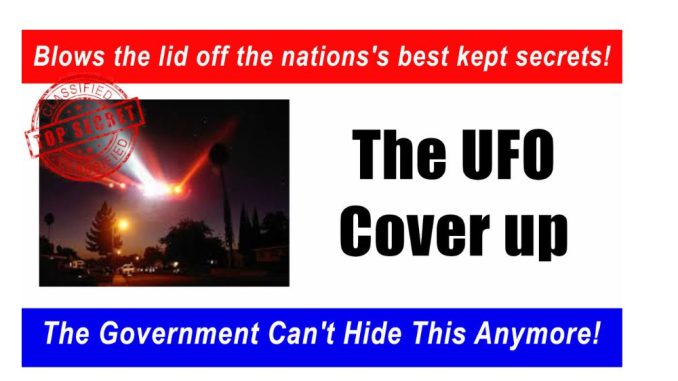
A child on a Dallas observation deck watches a cigar-shaped craft hover over the skyline, green lights sliding along its body before it vanishes at impossible speed. That moment becomes a compass, pointing us through decades of denials, half-answers, and the quiet paper trail that suggests governments treat UFOs less as mysteries and more as threats to control.
We unpack the familiar playbook: ridicule the witness, gatekeep the airwaves, then pivot to national security vagueness when military radar and credible observers enter the frame. From Roswell lore to Bill Clinton’s careful phrasing to Apollo 14 astronaut Edgar Mitchell’s provocative claims, we trace how official narratives bend under the weight of high-caliber testimony. Across the Atlantic, stories tied to Churchill and Eisenhower echo the same calculation—fear of panic, fear of broken certainties, fear of ceding the power to define reality—while UK FOIA requests reveal persistent public hunger for answers.
Along the way, we point listeners to documented sources, including research by Lawrence Fawcett and Barry Greenwood, and lay out a core argument: disclosure doesn’t primarily scare the public; it scares institutions that depend on being the ultimate authority. If technology exists that outpaces ours, sovereignty feels smaller. Yet shared uncertainty can unify people faster than secrecy ever could. We then lift the curtain on how we build each episode—verifying tips, protecting anonymity when needed, and letting timely developments shape the release cadence—while inviting the community to submit incidents, vote on topics, and help steer what we investigate next.
Ready to rethink what’s above our heads and who decides what we’re allowed to know? Follow the show, share it with a friend, and drop us your thoughts or your story at creepyshowpodcast.com. If this hit a nerve, leave a review and tell us: would real disclosure unite us or unleash chaos?


Be the first to comment